American aircraft carriers hover near Iranian waters like ticking clocks. President Donald Trump say

Why Trump’s Carriers Circle Iran: Inside the World’s Most Dangerous Power Struggle
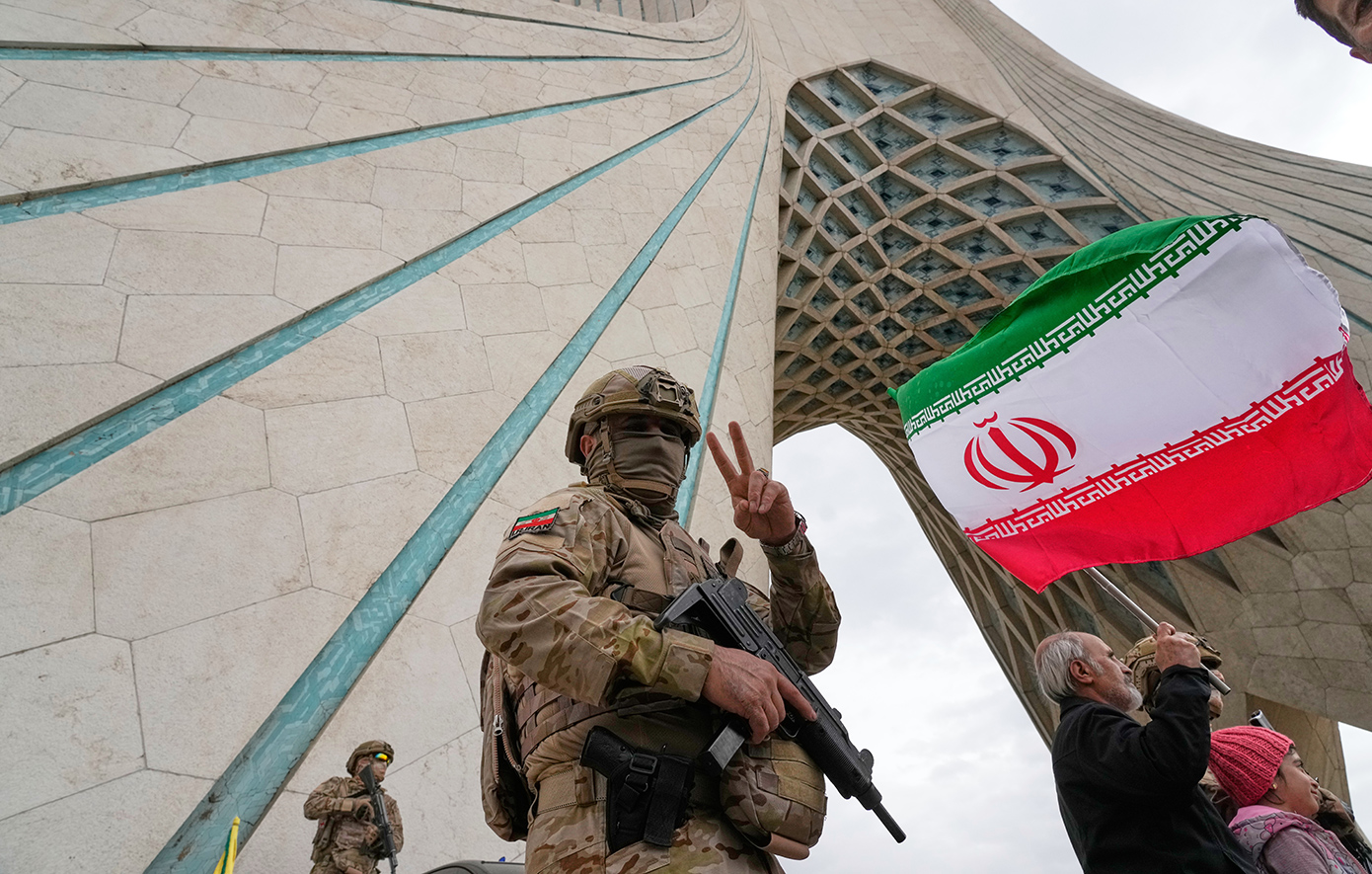
American aircraft carriers hover near Iranian waters like ticking clocks. President Donald Trump says he can order a strike “at any moment,” yet Tehran’s unique mix of theocracy and democracy keeps Washington guessing. What makes Iran so vital—and so volatile—today?
Since the 1979 Islamic Revolution, and especially during the brutal Iran-Iraq war, Western capitals painted Iran as a land of backward religious zeal. That picture is only half-true. Iran now commands unrivaled influence across the Middle East, and its internal power maze may be the single biggest brake on another U.S. war.
A System Designed to Block Quick Change
Iran’s government is neither pure dictatorship nor straightforward democracy. Supreme Leader Ayatollah Ali Khamenei holds ultimate authority, but below him sits a tangle of elected and clerical bodies—each with veto powers over the others.
- Popularly elected president and parliament
- Non-elected Guardian Council and Expediency Council
- Multiple security agencies, all with overlapping mandates
This patchwork has blocked every major fast-track reform for almost 30 years, because any faction can stall a decision. Analysts say that uncertainty is exactly what stays Trump’s finger on the trigger: Washington cannot predict who—or what—would replace the current order if missiles fell.
Opposition Exists—But It’s Fragmented
Street protests have rocked Iran repeatedly since 2009. Participants range from neighborhood unions and student cells to women-rights circles, ethnic movements, and labor groups. Yet, fierce distrust among them—plus relentless state crackdowns—has prevented a unified leadership capable of toppling the Islamic Republic.
Unlike centralized authoritarian states such as Belarus or Venezuela, Iran’s opposition has no single leader or structure. That weakness helps the regime survive, and it leaves U.S. planners without an obvious partner should the system implode.
Geography, Oil, and the New “Axis of Evil”
Iran sits where the Middle East, Persian Gulf, Caucasus, and Central Asia meet—the world’s energy crossroads. It is the planet’s second-largest oil exporter and boasts the region’s biggest population.
- Controls Strait of Hormuz chokepoint
- Shares borders with 15 countries
- Holds vast natural gas reserves
After the 1979 revolution, Ayatollah Khomeini adopted a confrontational foreign policy that both isolated Iran and embedded it in an eight-year war with Iraq. 9/11 deepened the rift with Washington. President George W. Bush’s 2002 speech branded Iran part of an “Axis of Evil,” echoing Ronald Reagan’s “Evil Empire” label for the Soviet Union.
Sanctions, Saber-Rattling—and the Blowback
Following the “Axis of Evil” speech, the U.S. coupled economic sanctions with threats of military action to force Tehran to abandon its nuclear program. The policy hurt—Iran’s economy shrank, inflation soared—but it also pushed Tehran toward greater self-reliance and sharper anti-Western rhetoric.
Instead of moderating the Islamic Republic, outside pressure empowered its most hard-line factions. Diplomatic channels reopened in recent weeks, and Trump publicly hopes for “progress this month,” yet career diplomats still regard Tehran as an entrenched foe.
Carrier Groups as Floating Timers
The carriers Trump dispatched are “moving time bombs,” analysts warn. Even if no shots are fired, their presence keeps regional tensions on hair-trigger alert. A miscalculation could drag the entire globe into conflict, given Iran’s reach from Lebanon to Afghanistan and its ability to disrupt oil shipping lanes.
Key Takeaways
- Iran’s hybrid regime makes post-strike outcomes unpredictable, staying U.S. attacks for now.
- Fragmented opposition and layered vetoes inside Tehran help the Islamic Republic survive mass protests.
- Geographic position and energy wealth ensure Iran remains pivotal to global security.
- Sanctions plus saber-rattling have hardened, not softened, Tehran’s posture since 2001.
- American carrier groups symbolize both deterrence and the risk of accidental war.
What happens next is anyone’s guess. Trump speaks of diplomacy while keeping bombers within range. Iran’s leaders, boxed in by sanctions and their own infighting, may see external confrontation as a lifeline. The world watches the world’s most tangled theocracy—and the hovering carriers—decide whether the next Middle East war begins.
